Aviation Switching Module – NSN 4920-01-250-2696 (AS-IS / Untested): Aerospace Switching Unit for Professional Inspection
Aviation Switching Module – NSN 4920-01-250-2696 (AS-IS / Untested): Aerospace Switching Unit for Professional Inspection
Blog Article
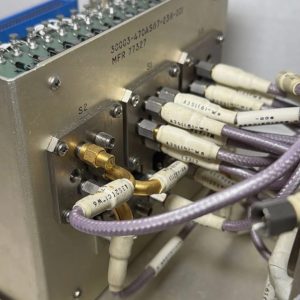
The Aviation Switching Module – NSN 4920-01-250-2696 (AS-IS / Untested) should be purchased with the understanding that no operational, calibration, serviceability, compatibility, or installation guarantee is being made.
An Aircraft Switching Module may control, route, select, isolate, or distribute compatible electrical signals or circuits, while an Aerospace Switching Module should be evaluated according to its exact internal design and intended equipment relationship.
An Aircraft Electrical Switching Module can have commercial value for technicians, while an Aviation Electrical Control Module or Aerospace Electrical Control Unit requires qualified bench evaluation before operational consideration.
The Aviation Control Module, Aircraft Switching Unit, Aerospace Power Distribution Module, Aircraft Electrical Control Unit, Aviation Power Control Module, Aircraft Electronic Switching System, Aerospace Switching Unit, and Aircraft Electrical Module keywords describe a broad aerospace-electrical product category.
Overview of the Aviation Switching Module
A matching NSN can improve identification, but it does not establish present condition, functional status, completeness, or suitability for a particular aircraft or test system.
Complete identification increases the value of the Aviation Switching Module for restoration, research, inventory management, or component evaluation.
Understanding AS-IS and Untested Condition
Internal faults, missing components, damaged wiring, corrosion, previous modification, storage deterioration, or electrical failure may be present even when the exterior appears clean.
An untested component should not be connected directly to aircraft wiring, expensive test equipment, batteries, laboratory supplies, or unknown power sources.
Aircraft Switching Module Applications
A module used with maintenance equipment may function differently from one installed onboard an aircraft.
A detailed visual inventory supports informed evaluation of the Aircraft Switching Module.
Aerospace Switching Module Construction
Careful exterior evaluation can reveal evidence of previous use or damage before the unit is opened.
Connector damage can prevent proper mating or create electrical shorts even when the module enclosure remains intact.
Evaluating Aircraft Electrical Components
A burnt odor, melted material, soot, or arcing marks should be disclosed clearly.
Methodical inspection protects the integrity and research value of the Aircraft Electrical Switching Module.
Aviation Electrical Control Module Functions
An Aviation Electrical Control Module can coordinate or select electrical functions within a compatible aviation or support-equipment system, depending on its documented design.
Control labels and switch legends can provide useful clues, but they should not be used as the only source of technical identification.
Choosing an Aircraft Power Switching Module
Current capacity, voltage, duty cycle, contact type, protection requirements, and load characteristics should be confirmed before testing.
A module with unknown electrical condition should remain clearly labeled as untested until formal evaluation occurs.
Aviation Control Unit Inspection
The repair process should preserve original markings and configuration whenever practical.
Every repair should be photographed and recorded if the module is restored.
Signal Switching Module Inspection
The pinout and signal type should be confirmed before continuity or injection testing.
The module should not be modified with unshielded wiring or improvised connectors solely for convenience.
Control Module Compatibility Review
Buyers should determine whether they need a direct replacement, restoration item, training aid, or parts source.
Compatibility should be verified through NSN, part number, manufacturer, connector layout, revision level, modification status, and website equipment application.
Aircraft Switching Unit for Maintenance or Restoration
The unit can provide parts, reference information, display value, training opportunities, or a candidate for professional restoration.
Technical schools may use a de-energized module to demonstrate connector inspection, switch construction, equipment identification, documentation research, or safe troubleshooting planning.
Aircraft Electrical Distribution Hardware
Professional evaluation helps determine whether the unit serves a power-distribution role or another specialized function.
Additional mounting holes should not be drilled until the component application is established.
Aircraft Module Functional Evaluation
Documented condition improves confidence among buyers of legacy Aircraft Electrical Control Unit equipment.
Limited testing should not be described as complete serviceability verification.
Aviation Power Control Module Uses
Responsible product information protects buyers seeking an Aviation Power Control Module.
Technicians should inspect for capacitors, transformers, relays, damaged insulation, or hazardous residues before opening or testing the unit.
Electronic Switching Module Applications
An Aircraft Electronic Switching System may consist of multiple modules, harnesses, control panels, relays, indicators, power sources, and associated equipment.
The module should not be blamed until related wiring and equipment are considered where the original system is available.
Preserving Military Aviation Equipment
Desiccant or moisture-control materials should not contact electrical components directly unless appropriate.
Shipping should use cushioning that supports the enclosure while protecting protruding switches, connectors, controls, labels, and mounting points.
Buying AS-IS Aviation Electronics
AS-IS equipment may offer attractive value when the purchaser has the knowledge and resources required for evaluation.
The seller should explain whether the unit has been powered, opened, repaired, modified, tested, or removed from known equipment.
NSN 4920-01-250-2696 Buying Checklist
A pre-purchase review should confirm the NSN, manufacturer, part number, serial number, markings, enclosure condition, connectors, switches, included accessories, storage history, modification status, and known application.
- Determine whether cables, plugs, manuals, test leads, mounting hardware, storage cases, or companion components are included.
- Arrange qualified technical evaluation whenever condition, internal status, or testing requirements remain uncertain.
- Retain purchase records, photographs, labels, research, testing notes, and repair documentation with the module.
Evaluating an Untested Electrical Module
Every connection should be documented before power is applied.
Partial operation should not be presented as complete certification, calibration, or airworthiness.
Repairing Legacy Aviation Control Hardware
Restoration should begin with condition documentation, careful cleaning, technical research, component identification, fault isolation, and repair planning.
The final product status should describe only the functions that were evaluated successfully.
Buying NSN 4920-01-250-2696
The Aviation Switching Module – NSN 4920-01-250-2696 (AS-IS / Untested) offers stronger commercial appeal when its markings, controls, connectors, enclosure, accessories, history, and limitations are documented accurately.
Careful technical and commercial evaluation can reduce equipment damage, incompatible purchases, missing-accessory costs, testing hazards, and restoration delays.
Whether buyers need an Aircraft Power Switching Module, Aerospace Electrical Control Unit, Aircraft Signal Switching Module, or Aviation Control Module, electrical specifications should be verified before testing.
With verified identity, careful inspection, protected storage, safe bench procedures, organized documentation, and qualified technical review, the module can provide lasting specialist value.
Report this page